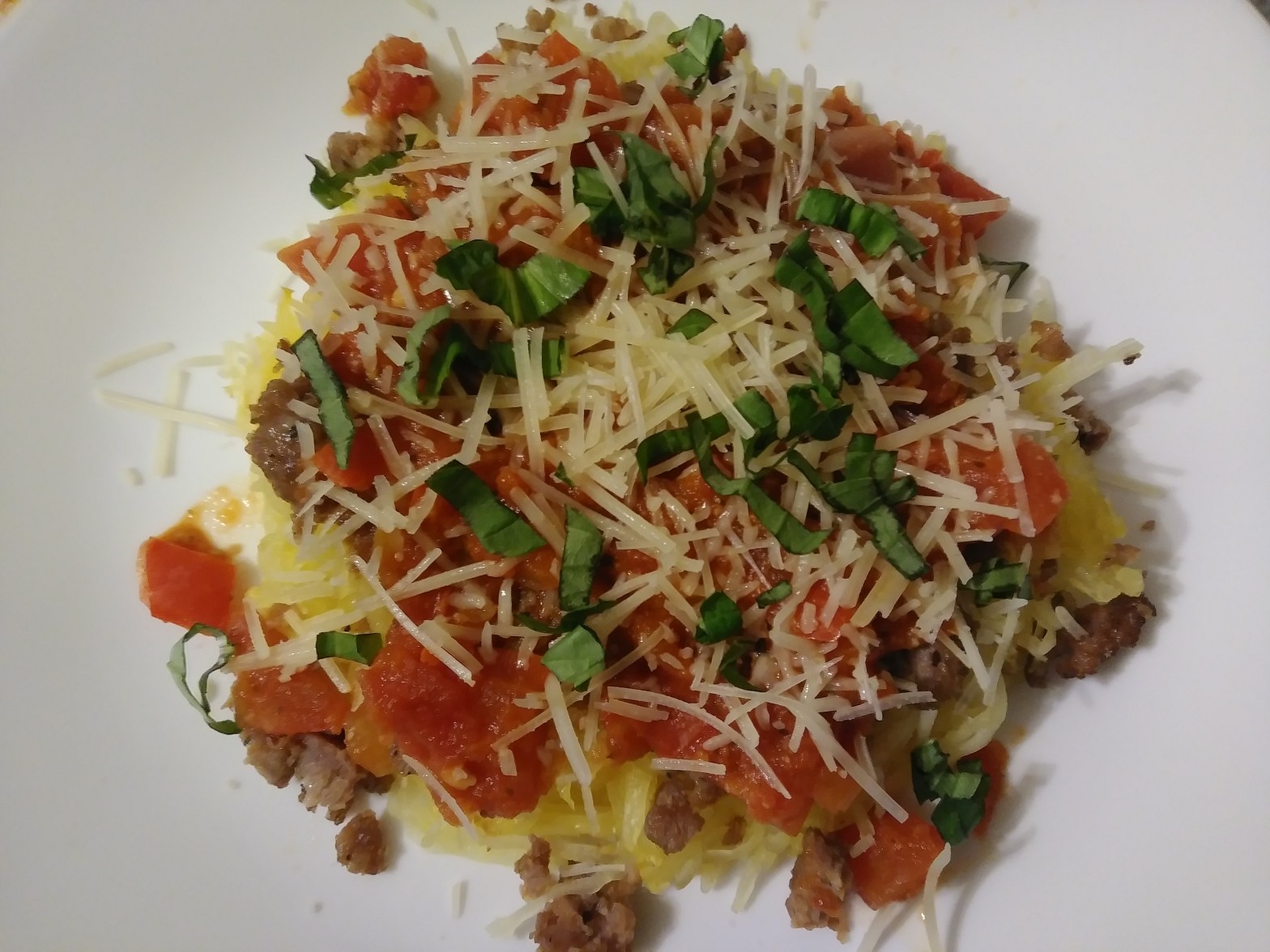
This is one of those “old world” recipes you’ll find on this blog. I love to cook what I call “low and slow” which allows flavors to mellow and come together to create something wonderful and delicious. The ingredients are simple; the history is long and profound. Most red sauces you’ll see have most of the same ingredients: tomatoes, salt, pepper. A good marinara focuses on just the tomatoes, while this recipe is for a homestyle pasta sauce where the flavors are rich and hearty, the kind that can warm your soul and make you miss home.
One of the major reasons why this sauce takes so long is because we are cooking down raw tomatoes, and like anyone who has ever had heartburn can tell you, tomatoes are very acidic. Longer cooking times allow that acid to burn off and make it easier to digest, which is why I recommend that even when you use jar sauce to simmer it on low for about an hour before serving.
In this recipe you’ll also find other tips on cooking and a couple of secrets of a good pasta sauce. You can also find these tips in my “101” style posts, where I will go over some cooking basics as well as kitchen know-how.
What You’ll Need:
5lbs Roma Tomatoes (fills up about 5qts before cooking)
Salt
Pepper
Parsley
Basil
Oregano
Crushed Red Pepper
Bay leaves
Whole white (or sweet) onion
Fresh garlic (whole or minced in jar)
Red wine (optional) or balsamic vinegar (optional)
Tomato paste (optional)
Large pot or crock pot
Pan for sauteing
Butter
Low heat cooking oil
Before we start:
This recipe traditionally takes 8-12 hours to cook. Under higher heat settings and a more watchful eye you can have this done in 2-3 hours. A good tip is that as this cooks “low and slow” the flavors will develop further for a more “old world” style of sauce.
Tip: I do not typically put amounts of seasonings on a recipe, because I am a firm believer in tasting as you cook so that you can get an idea for what your palate likes. Read on to get ideas on proportions as I typically make it.
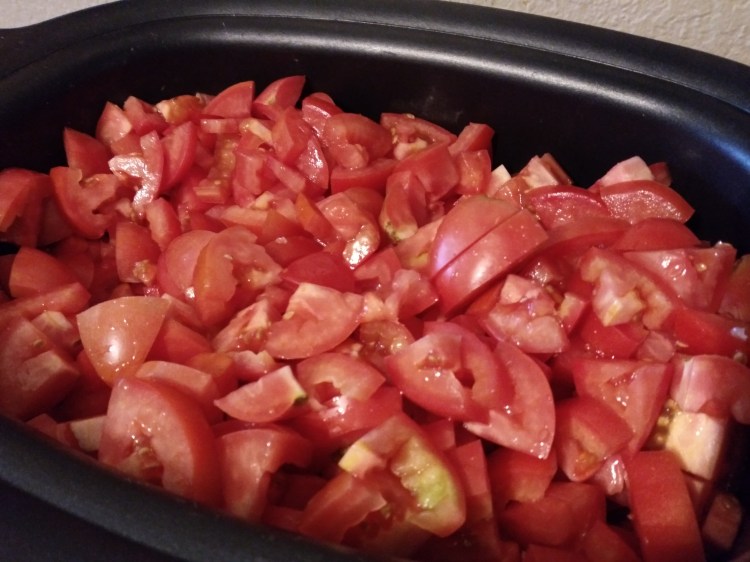
Dice up tomatoes into 1/2″ cubes and put into your crock pot or large pot on low and add gratuitous amounts of salt to help reduce the tomatoes.
Finely dice onion and add to hot pan with oil over medium heat. Add gratuitous amount of salt onto diced onion to let the natural sweetness of the onion emerge. You’re going to cook down the onions on a medium-low heat until browned, stirring occasionally. Add slivers of butter as your pan becomes dry. As the onions become clear and start to brown, add in garlic.
For better directions on caramelizing onions, click here .
Tip: Heat up your pan slowly, and add olive oil to your pan. If you want to know if it’s hot, add a couple drops of water into the pan and listen for the sizzle. If no sizzle, your pan isn’t hot enough. If it “pops” the water and splashes, your pan is too hot.
Tip: When using fresh cloves of garlic, take the heel of your palm (or the flat side of your knife) and press down onto the clove to open it. This will allow the release of the aromas and flavors within.
Once your onions and garlic is browned, soft, and sweet, add them into the pot with the tomatoes. You’ll notice as time goes on, the tomatoes cook down into a sauce, this is the bulk of your cooking process. I typically have mine in the slow cooker and leave for the afternoon at this point. As your sauce cooks down and begins to generate liquid, you can add your spices. Bay leaves add depth to a sauce and give it that “homemade” taste. Traditional sweet basil will “sweeten” the sauce. Oregano will add an herby note to it, so I don’t use a lot in my own cooking. Parsley adds a “fresh” note and helps counteract garlic breath. Crushed red pepper will help bring some spice and another layer of flavor to help you taste the other ingredients in your sauce.
My typical ratios:
1tbsp oregano, crushed red pepper, black pepper
2tbsp basil
3tbsp parsley
3 bay leaves
And I add salt “to taste”, which means I sprinkle some and wait for it to dissolve and try and keep going until my taste buds become more receptive to the flavor of the dish.
I’m not going to say “no” to adding onion powder, garlic powder, or thyme as you see fit. Feel free to experiment and adjust to see how you like it.

Now I like my sauce chunky so I just blend a little bit of it, but if you like yours smoother, I suggest getting a blender and pureeing the sauce together, minus the bay leaves.
Tip: If you feel like you’re lacking that “tomato” flavor or darkness, add a small can of tomato paste and let it cook through for minimum 1 hour. This allows the acidity of the tomatoes to reduce and allows for a deeper and richer flavor.
Pro tip: Still want a darker looking sauce? Reduce half a cup of red wine and add to the sauce. If you don’t have any in the house, a couple of ounces of a reduced basic balsamic vinegar will do the trick as well. Sorry, Nana. The people deserve to know.
 The Family Cookbook